
Founding History
The Junior Service League of Saginaw was formed out of a shared desire among young women in the community to dedicate their time, talents, and resources to supporting those less fortunate than themselves. While many were already actively involved in local charities, offering both hands-on service and leadership, it was clear that a more structured organization was needed – one that could coordinate and amplify their volunteer efforts for even greater impact.
In the League’s first month, the women benefited greatly from the advice and support of the President of the Grand Rapids Junior League, whose guidance strengthened their determination to become an influential force in civic welfare. One of their earliest and impactful projects was decorating and equipping the Children’s Ward at Saginaw General Hospital – a major undertaking that reflected both their compassion and organizational strength. The Club also launched organized volunteer efforts within local hospitals and in partnership with various social service agencies throughout the city. To support these initiatives, they produced and presented a musical comedy titled “Why Not?” which served as their principal fundraising event, blending creativity with purpose to further their mission of community support. By the end of that first year, their passion, dedication, and efforts in recruiting had inspired 65 members to join their ranks.
During the 1930-1931 year, to avoid confusion with fully recognized Junior Leagues, the group changed the name from the Junior League to the Service Club of Saginaw. The club launched its first training course and secured its first permanent space in the Bank of Saginaw, marking a new chapter of growth. An Arts and Interests Committee was formed, bringing joy to local children through plays like “Sleeping Beauty” and “The Bremen Musicians”. A major accomplishment was the establishment of the First Ward Community Center on June 15, 1930. To support these efforts, the club staged the musical comedy “Flame of India” as its primary fundraising event.
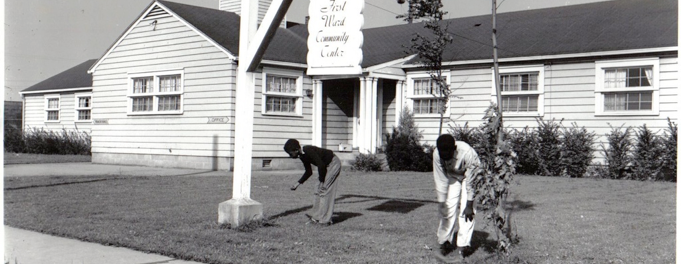
During the 1931-1932 year, the Service Club expanded the First Ward Community Center program by adding a nutrition center, further supporting community well-being. Communication improved with the launch of the first monthly news sheet, and the Placement Hour system was introduced to streamline volunteer efforts. The club delighted audiences once again with a performance of “Cinderella”. A new fundraising approach replaced one large event with multiple small ventures, with each member tasked with raising $5 in addition to dues, fostering greater individual involvement.
During the 1932-1933 year, a trained worker was hired to enhance programs at the First Ward Community Center, strengthening its services. A Garden Club was formed to promote outdoor education and beautification. The newly established Children’s Theatre Committee brought stories to life with productions of “Beauty and the Beast”, “The Three Bears”, and “Darby and Joan”. Continuing the approach from the previous year, small fundraising projects remained the focus, and two rummage sales proved to be the most successful.
During the 1933-1934 year, community engagement remained strong. As the Service Club deepened its engagement with the community, its scope of activities grew to address Saginaw’s evolving needs. With a focus on aligning the Club with national standards, members began working intentionally toward meeting the formal criteria of the Association of Junior Leagues of America (AJLA). A visit from the Association’s Field Secretary helped provided valuable guidance and shortly after, two representatives of the Grand Rapids Junior League evaluation the club and confirmed the club’s readiness for full membership. The Service Club of Saginaw’s dedication was formally recognized on February 14, 1934, when they became the Junior League of Saginaw, joining the national network of the Association of Junior Leagues of America.
That same year, the League sent its first delegates to the AJLA 14th Annual Conference, reinforcing its commitment to leadership and service. The League’s connection with the community remained strong, with the Children’s Theatre presenting beloved productions such as “Rumpelstiltskin” and “The King’s Breakfast”. Additionally, the League continued its tradition of successful fall and spring rummage sales to support ongoing local initiatives.